Sooner or later every plant grower meets a pest. It is not a moral failing or a sign you've done something wrong — bugs hitchhike in on new plants, drift through open windows, and lurk in bags of soil. What separates a minor nuisance from a heartbreak is timing. Caught in the first week, almost any infestation is easy to beat with things already in your kitchen. Left for a month, it can spread to your whole collection.
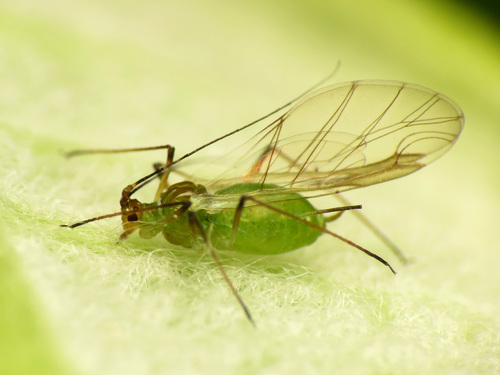
Make inspection a habit
The single best pest control is a 10-second look every time you water. Turn a couple of leaves over and check the undersides — that's where most pests hide and breed, safely out of sight. Look in the crooks where leaves meet stems, and at the tender new growth. Spotting three bugs is a quick wipe; spotting three hundred is a weekend. A hand lens helps you catch the tiny ones before they explode in number.
Identify the pest
| Pest | Looks like | Quick fix |
|---|---|---|
| Fungus gnats | Tiny black flies near the soil | Let topsoil dry; sticky traps; bottom-water |
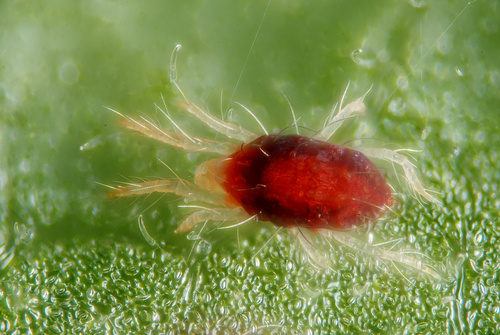
| Spider mites | Fine webbing, speckled pale leaves | Rinse; wipe with soapy water; raise humidity |
| Mealybugs | White cottony fuzz in leaf joints | Dab with rubbing alcohol on a cotton bud |
| Scale | Brown limpet-like bumps on stems | Scrape off; treat with neem oil |
| Aphids | Clusters on new growth & buds | Spray off; insecticidal soap |
| Thrips | Silvery streaks, black specks | Sticky traps; neem; isolate fast |
Treat & prevent — the four-step playbook
- 1
Isolate immediately
Move the affected plant well away from the others the moment you spot trouble. Pests spread fastest between touching leaves.
- 2
Clean it up
Wipe leaves down and rinse the whole plant in a lukewarm shower to physically knock the numbers right down before you treat.
- 3
Treat thoroughly
Use insecticidal soap or neem oil, coating the undersides of leaves and the stems. Repeat every 5–7 days for three weeks to catch newly hatched eggs.
- 4
Prevent the next time
Wipe leaves monthly, avoid soggy soil, and quarantine every new plant for two weeks before it joins the shelf.
One treatment is never enough. Most sprays kill adults but not eggs, which hatch a few days later. Skipping the repeat treatments is the most common reason pests come roaring back.
Not every problem is a bug
Plenty of 'pest' panics turn out to be care issues in disguise. Yellow leaves usually mean watering trouble, not insects. Brown crispy edges point to dry air or under-watering. Sudden leaf drop often follows a cold draught or a big move. Before you reach for a spray bottle, rule out the basics — it saves your plant a needless chemical bath.
Yellow leaf? Read the clues
🟡 Lower leaves yellow
- Usually over-watering
- Or simply old leaves ageing out
- Check the soil is drying between drinks
🟤 Brown crispy edges
- Usually dry air or under-watering
- Or fertilizer salt build-up
- Raise humidity and flush the soil
“A healthy, well-lit plant shrugs off pests far better than a stressed one. Good light and steady watering are your cheapest, strongest pesticide.”
Yellow sticky traps are your early-warning system. Pop one in each pot — they catch fungus gnats and thrips, and they tell you a problem is brewing long before you'd notice it on the plant.
Got a plant that needs help?
Snap a photo and let Plantvio identify it and check its health in seconds.
Scan a plant →